Beyond the Case: What I Learned Buying High-End Rolex Replicas
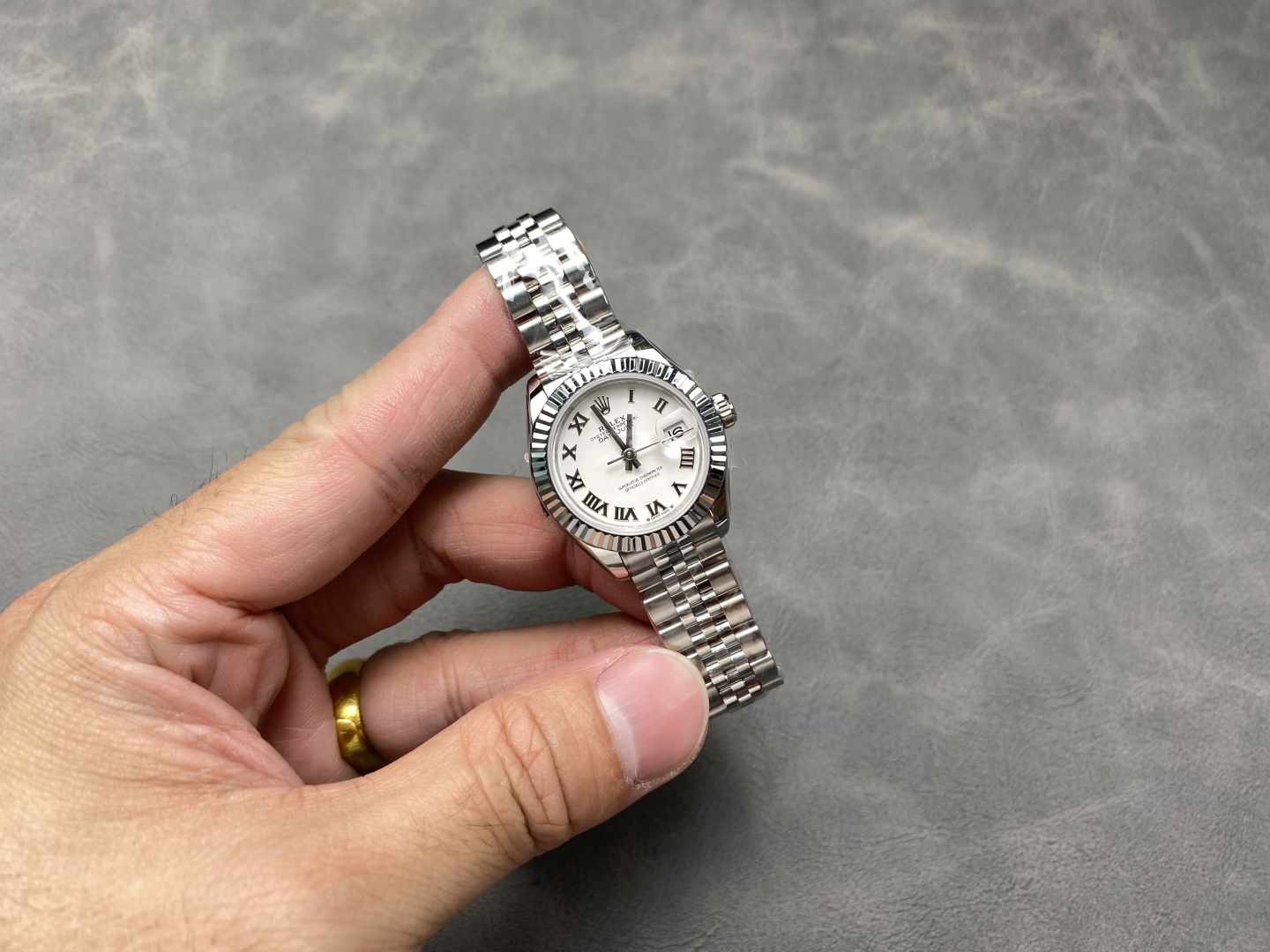
I have been in this space long enough to remember when a “super clone” meant a dial that looked roughly correct from three feet away. That is no longer the case. The market has shifted dramatically, and the gap between a well-executed replica and the genuine article has narrowed to a point where even seasoned collectors sometimes hesitate. This is not a sales pitch. This is a breakdown of what I have actually seen, worn, and compared over the last several years. If you are considering adding a rolex super clone to your collection, this is the information I wish someone had given me before I spent my first dollar.
The 2236 Movement: Why This Specific Caliber Deserves Your Attention
When people ask me about the single most important factor in a modern replica watches purchase, I do not point to the case or the bracelet. I point to the movement. A beautiful case with a ticking Timex inside is just an expensive costume. The movement defines the experience.
What It Is and How It Copies the Original
The 2236 movement is the current standard for the Datejust 36mm and several other mid-size models from the factory. In the genuine world, it is a significant step up from the older 3135, featuring a silicon hairspring and a more efficient escapement. What you are looking for in a high-end replica is a movement that mimics this structure, not just the rotor winding direction.
I have examined the clone 2236 movements available from the top-tier factories, and the engineering here is genuinely impressive. The best versions are not simple modifications of a Chinese standard movement with a decorated rotor. They are designed to replicate the physical architecture of the Rolex calibre. This means the gear train layout, the balance bridge configuration, and the automatic winding mechanism are all positioned exactly where they are on the genuine movement. The key difference is the material. The clone uses a standard alloy for the main plates and bridges, whereas the genuine uses a proprietary blend. However, the visual similarity is so high that a technician without a loupe would struggle to tell them apart on a workbench.
Why This Matters More Than You Think
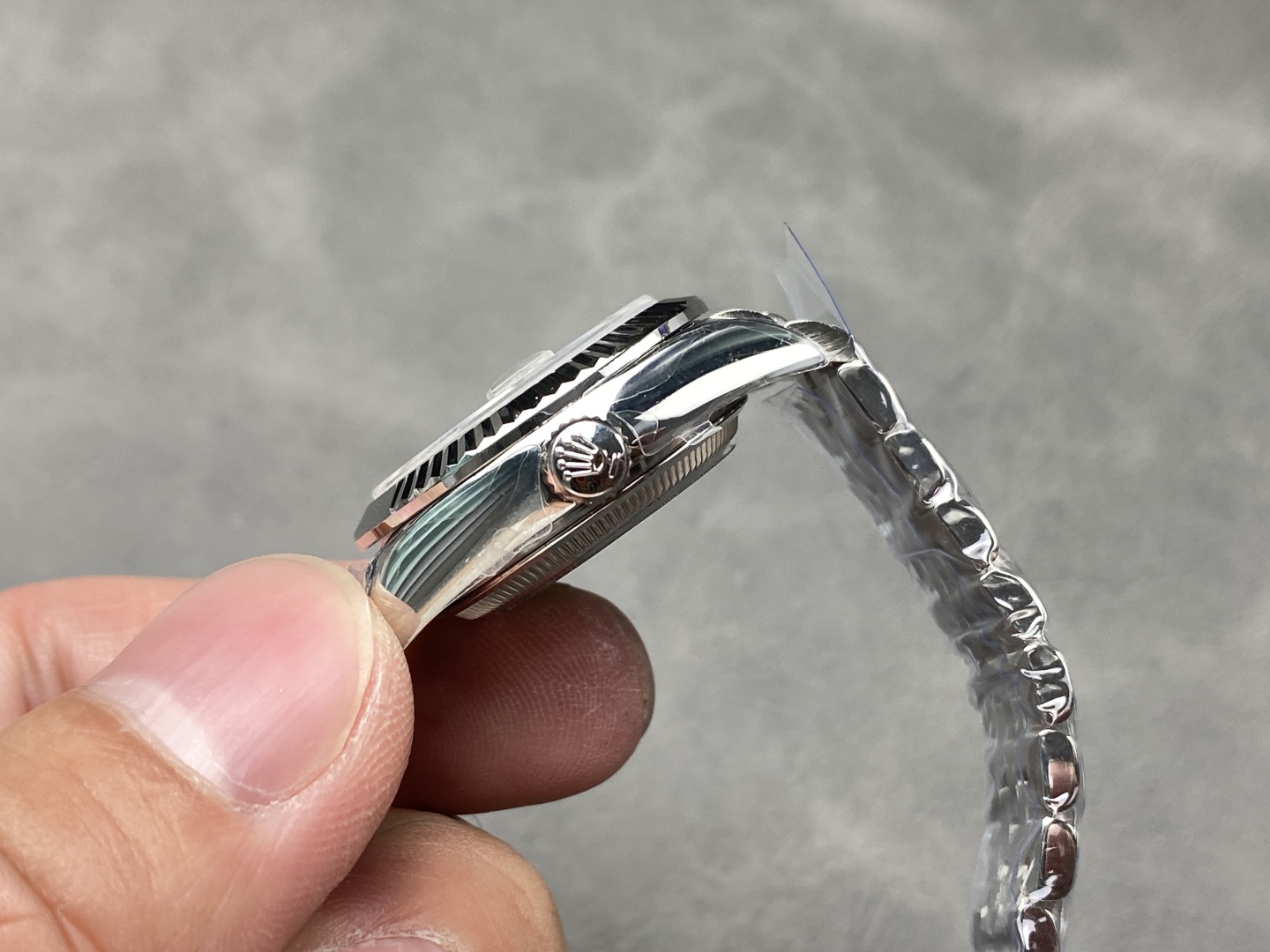
The reason this structural clone is important is not just about looking under the case back. It is about how the watch feels on your wrist. The 2236 clone is designed to fit the case without modification. This means the date wheel aligns perfectly with the aperture, the crown winds smoothly, and the hands move with a steady, sweeping motion. A lesser replica often uses a movement that is too thick or too thin, which forces the factory to use a spacer ring to fill the gap. That spacer ring is a common source of rattling noises and misalignment. With a true 2236 clone, you avoid that entirely. It sits in the case as it was designed to sit.
The Real-World Impact on Daily Use
From what I have seen, the practical impact is stability. The genuine 2236 is a workhorse, and the clone, while not achieving the same longevity, offers a very usable lifespan. Most of these movements will run within -5 to +10 seconds per day out of the box. That is not a chronometer certification, but it is more than acceptable for a daily wearer. The power reserve on the clone versions I have tested generally sits between 48 and 52 hours, compared to the genuine’s 55 hours. The difference is negligible for most users unless you leave the watch unworn for two full days. The winding feel is the area where you will notice the biggest difference. The genuine rotor spins with a buttery, silent smoothness. The clone rotor is slightly more audible when you move your wrist, and it has a tiny bit of resistance. It is not a dealbreaker, but it is a telltale sign for someone who knows what to listen for.
The Harsh Reality of “1:1 Clone Watches”
Let me address the elephant in the room. The term 1:1 clone watches is used so loosely in this market that it has almost lost its meaning. Every seller claims their product is 1:1, but the reality is far more nuanced. My experience has taught me that “1:1” refers to a specific level of quality, not absolute perfection.
What the Label Actually Covers
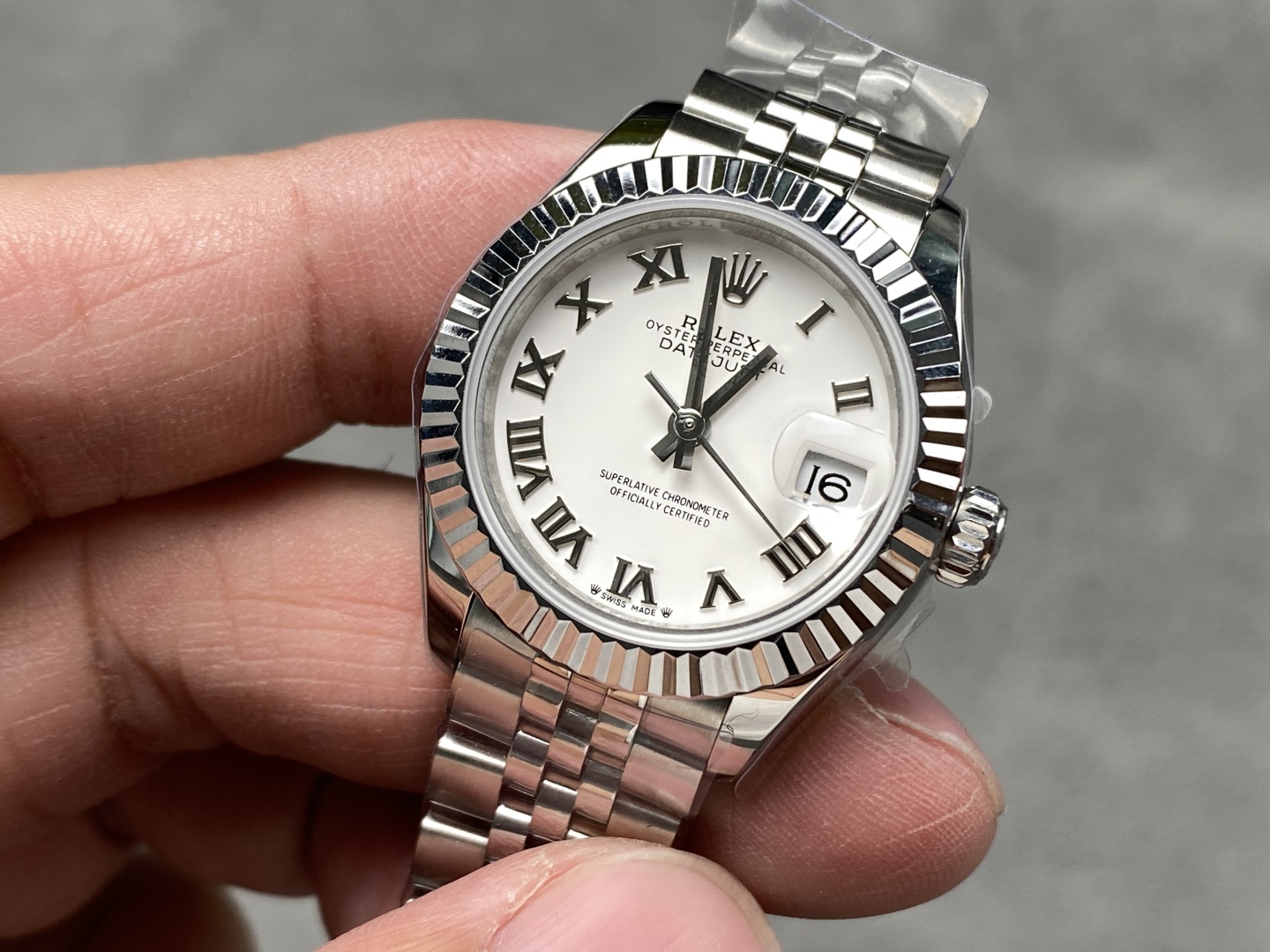
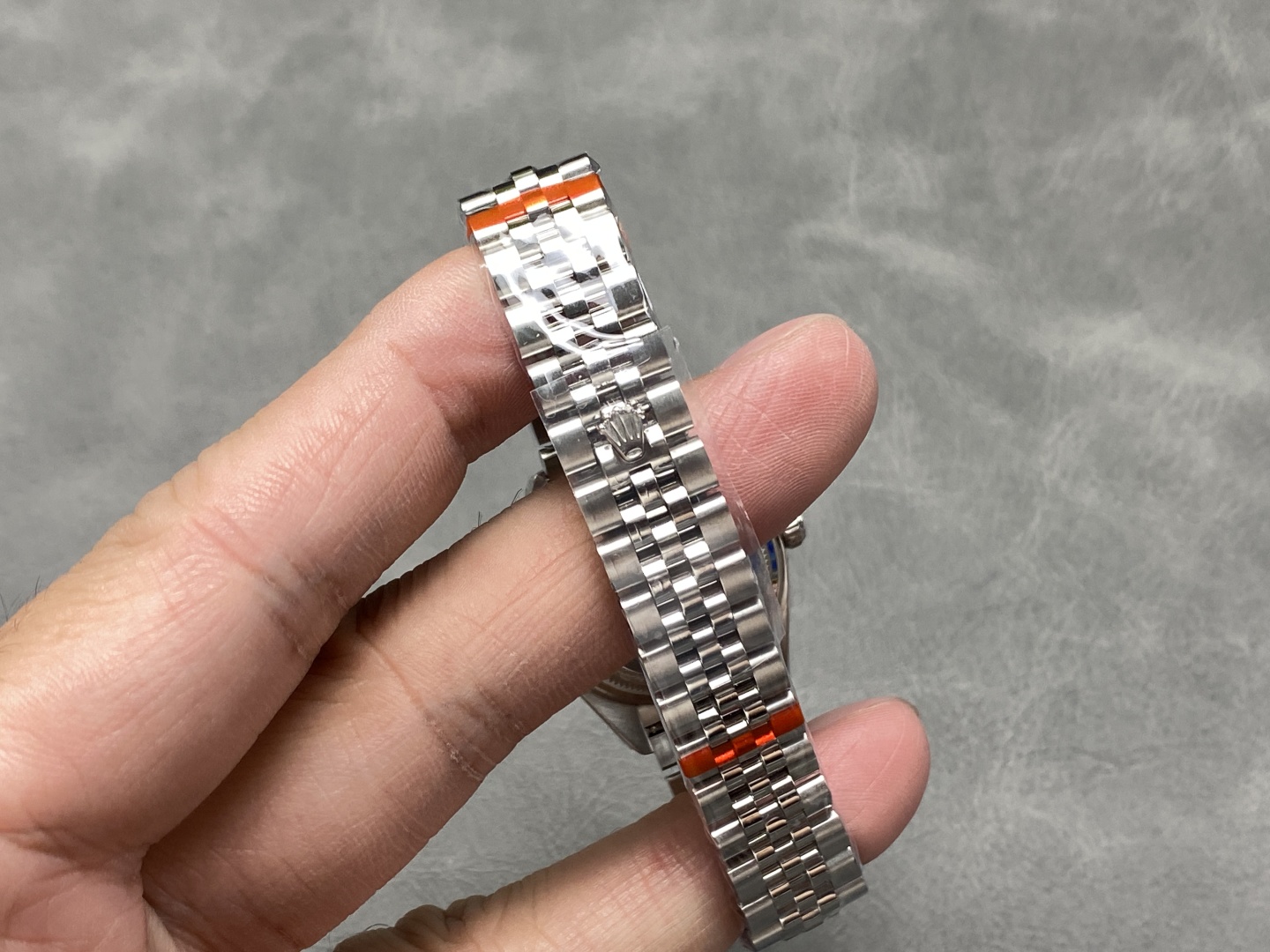
When a seller uses the label 1:1 clone watches, they are typically referring to the external dimensions, case finishing, and dial details. This means the thickness is accurate to the tenth of a millimeter. The bezel has the correct profile. The bracelet links fit together with the same tightness as the genuine article. In these aspects, the top factories have achieved something remarkable. I have placed a genuine Datejust next to a top-tier replica, and the difference in case profile was almost invisible to the naked eye. The chamfers on the lugs, the brushing direction on the oyster bracelet, and the polish on the bezel edge all match the original specifications.
Why Absolute Precision Remains a Myth
However, the “1:1” claim falls apart under magnification. The laser etching on the crystal, the depth of the rehaut engravings, and the sharpness of the hand-polished bevels are areas where the clone still shows its origins. The genuine watch uses a specific type of steel and a unique polishing process that results in a slightly different light reflection. It is a subtle difference, but it exists. The misconception is that “1:1” means the replica is indistinguishable under a microscope. It is not. It is indistinguishable under normal viewing conditions, and that is what matters for a daily wearer. One common mistake is to obsess over the 1:1 label and ignore the movement quality. A factory can produce a perfect case and put a terrible movement inside, and many sellers will still call it a 1:1. You have to look at the whole package, and the movement is the most critical part of that package.
Clean Factory vs. VS Factory: A Head-to-Head Comparison for the Datejust 36
This is where experience separates a casual buyer from a knowledgeable one. Two factories dominate the rolex super clone market for the Datejust 36: Clean Factory and VS Factory. I have owned examples from both, and the differences are significant enough to dictate which one you should buy.
| Feature | Clean Factory | VS Factory |
|---|---|---|
| Case & Bracelet Finishing | Excellent brushing, but the bracelet end-links fit slightly loose on some examples. Sharp case edges. | Superior bracelet fit. The end-links sit flush with the case, and the brushing is more refined. |
| Dial & Crystal | Good dial color but the crystal has a slightly more visible reflection. The cyclops has decent magnification. | Better dial texture and color matching, especially on sunburst finishes. The crystal is cleaner with less glare. |
| Movement (2236 Clone) | Uses a modified 2824 with a decorated rotor. It works, but the movement geometry is not a true clone. | Uses a dedicated 2236 clone movement. The bridge layout and winding mechanism are much closer to the genuine. |
| Price Point | Generally more affordable. | Costs a premium for the movement and better fit. |
| Overall Verdict | A solid choice for a budget-conscious buyer who wants the look. | The superior choice for someone who wants the feel and the engineering accuracy. |
The Critical Difference: The Movement
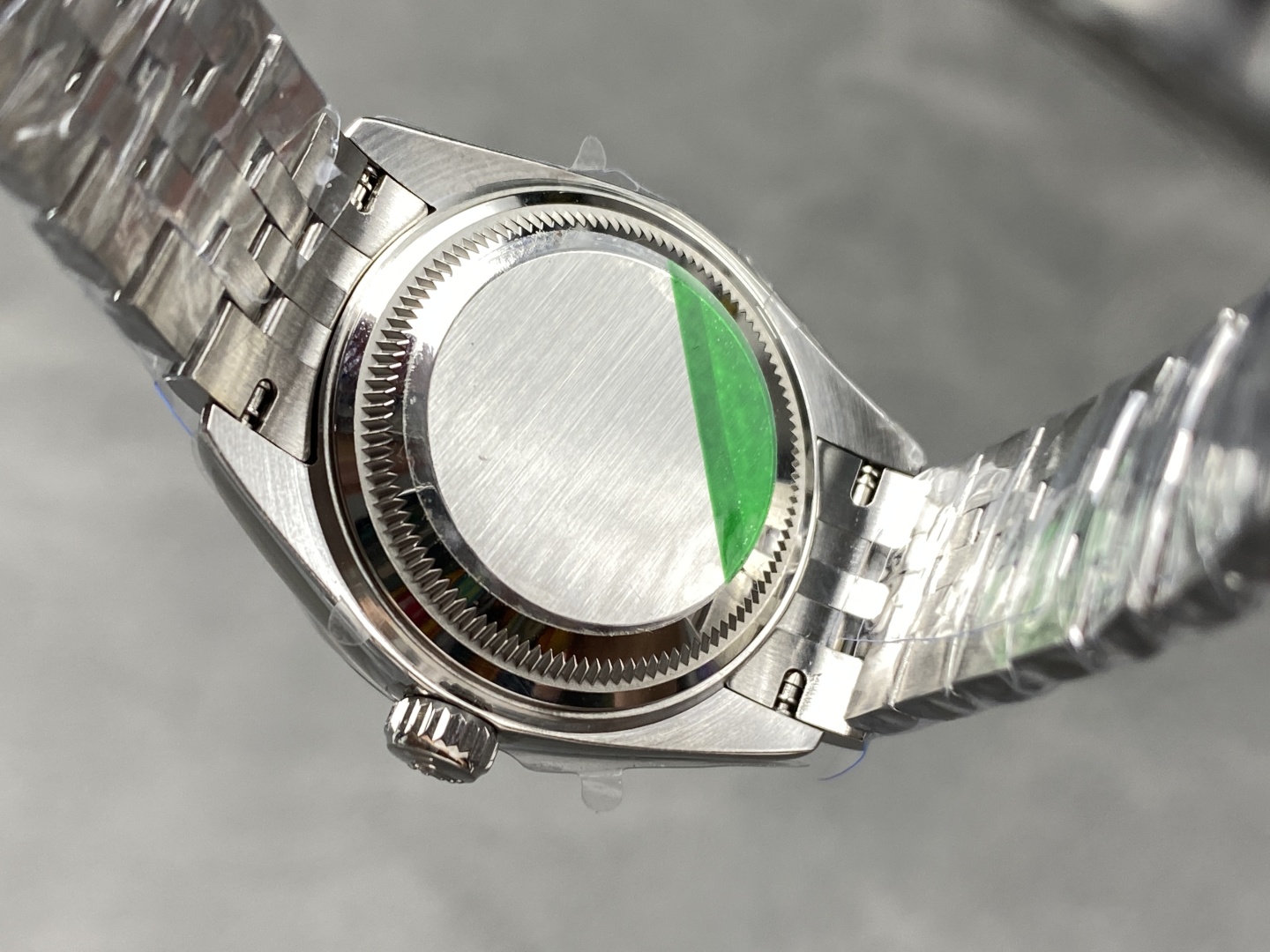
The table only tells half the story. The fundamental difference is in the engineering approach. Clean Factory uses a tried-and-true reliable Chinese movement base—often the 2824—and adds a decorated rotor and a modified date module to simulate the 2236. This is an effective cost-saving measure, and the watch will run reliably for years. However, the winding feel is different, and the date change mechanism sometimes stutters if the watch is not wound fully. VS Factory, on the other hand, invested in a dedicated movement. Their 2236 clone is a true 1:1 structure. The date changes over with a crisp snap at midnight, the winding is smoother, and the rotor has a weight and feel that mimics the genuine Rolex rotor. For a few hundred dollars more, you are getting a watch that functions like the real thing, rather than just looking like it.
So What Does This Mean for You?
If you wear the watch occasionally and mostly care about the appearance, Clean Factory is a logical choice. You get 90% of the look for 70% of the price. But if you are a daily wearer, or if you value the tactile experience of winding the crown and feeling the rotor spin, VS Factory is the only path. I have seen more unhappy buyers from Clean Factory who complained about the “loose” feel of the bracelet or the “tick” of the rotor. I have seen almost no complaints about the VS Factory 2236. The price difference is a reflection of engineering effort, not just marketing hype.
Why Movement Specs Are Overrated for Most Buyers
There is a loud chorus in the forums that wants you to believe the power reserve must be 70 hours, the beat rate must be 28,800, and the regulator must be a free-sprung balance. I spent my first year in this hobby obsessing over these numbers. It was a mistake.
The Truth About Daily Wear
The reality of wearing a replica is different from the reality of wearing a genuine watch. A genuine Rolex is a precision instrument built to withstand decades of daily use. A replica is a mechanical device that mimics that instrument. The materials are different, the lubrication is different, and the tolerances are different. When you obsess over movement specs, you are applying an engineering standard that the replica was never designed to meet. The power reserve of 48 hours on a clone 2236 is more than enough for a watch that you will wind every morning when you put it on. I have never had a clone run out of power during a normal day of wear, even when I was sitting at a desk.
The Real Performance Metric
The most important spec is not listed on any data sheet. It is “wrist reliability.” This is the movement’s ability to maintain consistent timekeeping while your arm moves, sweats, and changes positions throughout the day. A movement with a 70-hour power reserve that runs +20 seconds a day is useless. A movement with a 48-hour reserve that runs +2 seconds a day while on the wrist is a masterpiece. In my experience, the VS Factory 2236 excels at wrist reliability. It maintains its rate consistently. The Clean Factory movement, while stable when stationary, often gains time when you are active. The difference is small, maybe 3-5 seconds, but it matters if you care about accuracy. Stop looking at the spec sheet. Look at the movement architecture and the factory’s reputation for quality control. That is the only spec that influences your daily experience.
The Wrist Test vs. The Macro Test: Which One Actually Matters
This is a concept I developed after years of buying and selling. I call it the “Wrist Test” versus the “Macro Test.” The Macro Test is what you see in YouTube reviews. A reviewer puts the watch under a macro lens, shows you the laser etching, points out the color of the hands, and compares the lume application to a genuine watch. It is great for marketing, but it is almost irrelevant to the wearer.
What the Macro Test Misses
The Macro Test misses the most important element: how the watch feels when it is on your wrist. It does not test the weight distribution of the case. It does not test the flexibility of the bracelet. It does not test how the clasp sits against your wrist bone. It does not test the sound of the rotor when you are in a quiet room. These are the things that define your relationship with the watch. I have seen buyers return a watch because the clasp was a fraction of a millimeter too sharp on the inner edge, making it uncomfortable for a full day of wear. That is a detail the Macro Test will never catch.
The Wrist Test as Your Final Filter
The Wrist Test is simple. Put the watch on. Wear it for a full day. Forget it is there. At the end of the day, ask yourself: did I notice it? Did it feel heavy or awkward? Did the clasp dig into my skin? Did the winding feel cheap? If the watch disappears on your wrist, it is a good replica. If it constantly reminds you that you are wearing a replica, it is not. I apply this test to every purchase I consider. The 2236 movement and the VS Factory case blend together so well that the watch is almost invisible on the wrist. The Clean Factory version, with its slightly looser bracelet, sits differently and I often adjust it during the day. That adjustment is a constant reminder that the watch is not genuine. The Wrist Test is the only test that matters for a daily wearer. The Macro Test is for internet arguments.
Buyer Misconceptions That Cost Real Money
Over the years, I have seen the same mistakes repeated by new buyers. These are not minor errors. They are expensive errors that turn a good purchase into a bad one.
Misconception 1: The “Best” Factory is the Most Expensive One
One common mistake is assuming the most expensive rolex super clone is automatically the best. The price tag on a replica is not a reliable indicator of quality. Some sellers inflate prices by 30% simply because they have a better website or better customer service. The watch itself comes from the same factory. I have seen buyers pay a premium for a watch that was identical to one they could have bought for less from a different seller. The key is to identify the factory first, then find a trusted source for that factory’s product. The price should reflect the factory’s cost, not the seller’s margins. Always ask what factory the watch is from, and do your own research on that factory’s reputation.
Misconception 2: A Reliable Movement is a Guarantee of a Reliable Watch
I have seen many buyers choose a watch because it uses a “reliable” movement like a standard 2824, and then ignore the rest of the watch. This is a mistake. The case, the bracelet, and the dial are all components that can fail independently. A loose screw in the case can cause rattling. A bad clasp can break. A dial with a misprinted date wheel is a permanent eyesore. A watch is a system, not just a movement. You can have the most reliable movement in the world, but if the case is poorly constructed or the bracelet is flimsy, the watch will still be a poor experience. I always tell people to think of the movement as the engine and the rest as the chassis. A great engine in a bad chassis is still a bad car. The VS Factory 2236 is a great engine, but it is paired with a chassis that is also excellent. Do not compromise on the chassis just to get a slightly better engine.
A Practical Guide to Buying Without Regret
If you are ready to make a purchase, here is a framework based on my experience. It will not guarantee you the perfect watch, because perfection does not exist in this market. But it will help you avoid the common pitfalls.
Know What You Are Buying
First, identify the factory. For the Datejust 36, my recommendation is VS Factory with the 2236 movement. This is the closest you will get to the genuine experience without spending five figures. The price is higher, but the value is there. You are paying for a dedicated movement that functions correctly, a case that fits well, and a bracelet that sits flush on your wrist. It is the option that passes the Wrist Test.
Buy from a Trusted Source
Second, buy from a source that has a track record. This is where replicafactory.cx has earned its reputation in my view. They are not the cheapest option, but they are consistent. They know which factories are producing the good batches and which ones are cutting corners. Their communication is clear, and they accept returns on defective items, which is rare in this market. I have used them for several purchases, and they have never sent me a lemon. That peace of mind is worth the small premium they charge.
Prioritize the Bracelet and Clasp
Third, when you receive the watch, spend the first hour inspecting the bracelet and clasp. These are the parts that fail most often. Make sure the links are tight. Make sure the clasp closes with a satisfying click. Make sure the extension links are not too stiff. A bad bracelet will ruin a great watch. If the bracelet feels off, contact the seller immediately. Do not wait a week. Issues with the bracelet are usually covered by the seller’s return policy, but only if you report them within the first few days.
Frequently Asked Questions
Based on my experience and conversations with watchmakers, a well-maintained 2236 clone from VS Factory will run reliably for 3 to 5 years with normal use. The key is to avoid extreme temperature changes and to keep the watch away from magnetic fields. After 5 years, the lubrication will degrade, and you will need to service it. A standard service will cost around 150-200 USD, which is a fraction of the replacement cost.
It is very close, but not identical. The genuine watch uses a denser steel alloy and a different balance wheel assembly. The replica uses a standard steel alloy. The difference is usually 5 to 10 grams, which is barely noticeable on the wrist. Most buyers cannot tell the difference without a scale.
No. Genuine Rolex dealers will refuse to service a replica. Do not even attempt it. You will embarrass yourself and the staff. Find a local independent watchmaker who is willing to work on clones. Many of them are, and they understand the movement architecture.
For a rolex super clone, the most obvious tell to a trained eye is the sound of the rotor. The genuine rotor is nearly silent. The clone rotor has a distinct noise when spinning, especially if the rotor bearings are not perfectly smooth. The second tell is the date font. Genuine Rolex date fonts are perfectly crisp and black. Some clones have a slightly faded or uneven black color.
My honest advice is no. The “cheap” options, usually priced under 400 USD, use inferior movements and case materials. They are not quality rolex replicas. They will look wrong, feel wrong, and break within a year. The money you save will be spent on repairs or replacements. It is cheaper to buy one good replica than three bad ones.
Look at the cyclops magnifier. A cheap imitation will have a low magnification, around 1.5x. A quality rolex super clone will have a 2.5x magnification that is almost identical to the genuine. Also, check the date window. If the date is not centered in the window, it is not a super clone.
I would not recommend it. While the case is sealed, the crown and movement are not designed for water pressure. I have seen clones that survived a splash, but I have also seen them fail after a short swim. Treat the watch as water-resistant, not waterproof.
The short answer is to use a source with a long track record and transparent communication. In my experience, replicafactory.cx is a safe place to start. They are not the flashiest sellers, but they are consistent. Do your own research on forums and read reviews, but be aware that many reviews are paid for. Trust the long-term community consensus over the one-time positive review.
Final Thought on Your Collection
The decision to buy a rolex super clone is a personal one. For some, it is a way to enjoy the design without the financial burden. For others, it is a way to test a style before buying the genuine version. Whatever your reason, the goal is the same: a watch that you love to wear. I have found that the VS Factory Datejust 36 with the 2236 movement is the watch that best fulfills that goal in the current market. It is not perfect, but it is excellent. It is the watch I wear when I want to forget I am wearing a watch. And for me, that is the ultimate compliment.